


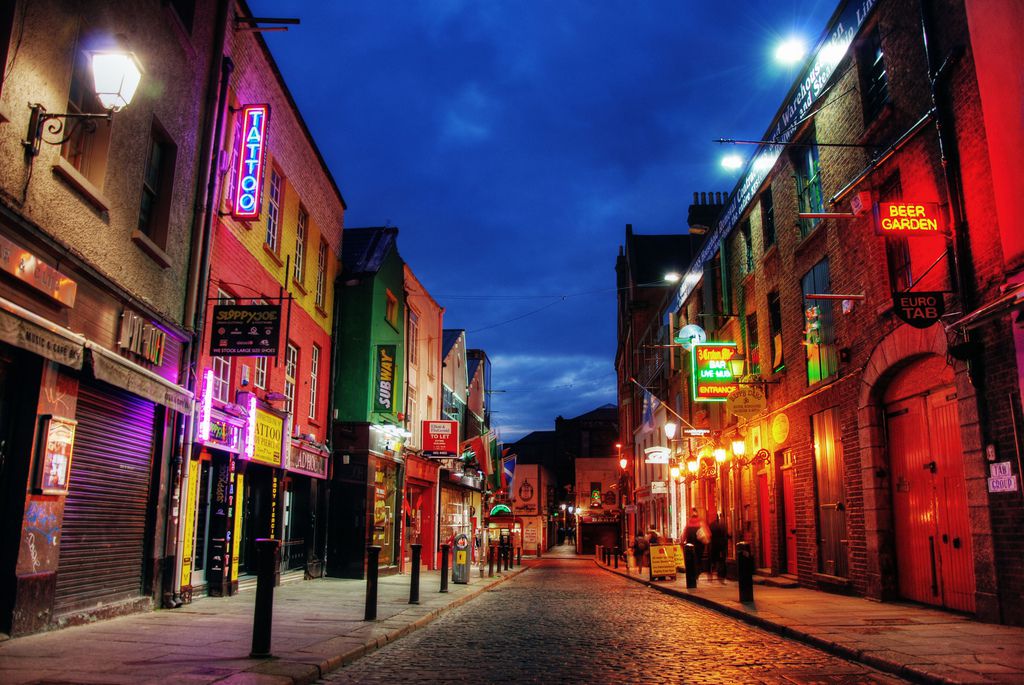
Cities come alive when their streets, venues and cultural spaces stay active beyond daylight hours. In Ireland, the emergence of the night-time economy as a recognised policy priority signals a major opportunity: events can serve as catalysts for social regeneration, community engagement and creative enterprise. By strategically supporting cultural and night-time events, Ireland can revitalise its urban centres, stimulate economic activity and strengthen social cohesion.
The Context: Policy Momentum and Urban Potential
Ireland’s Report of the Night-Time Economy Taskforce (2023) set out 36 recommendations to diversify cultural offerings, improve safety, extend licensing hours and pilot “Night-Time Advisors” in cities nationwide (Department of Tourism, 2023). This report recognises events — from festivals and street performances to late-night cultural programming — as pivotal drivers of community vitality and creative economy growth.
Simultaneously, initiatives such as Creative Ireland and Local Live Performance Programming Schemes (Department of Tourism, 2024) have invested millions in regional cultural activity, showing how events can regenerate towns and support local artists.
Internationally, models like Amsterdam’s Night Mayor and Berlin’s Club Commission demonstrate how strategic night-time governance can transform city identity and economic vibrancy (UNESCO, 2024). Together, these efforts position Ireland to re-imagine its cities and towns as safe, inclusive, and economically sustainable after dark.
The Socio-Economic Case for Night-Time Events
-
Economic revitalisation
Night-time industries already generate an estimated €3 billion in revenue annually and employ approximately 40,000 people (Fáilte Ireland, 2023). Events and cultural programming can expand this value, encouraging off-peak tourism and sustaining small hospitality and entertainment businesses. -
Urban regeneration and placemaking
Well-curated night-time events encourage footfall, local spending and re-use of vacant spaces — contributing to safer, more vibrant urban environments. Pilot projects in Dublin, Cork and Galway have demonstrated reductions in anti-social behaviour when programmed cultural activity extends late into the evening (Department of Tourism, 2023). -
Cultural participation and inclusion
Late-night programming allows participation by those excluded from daytime cultural life due to work or family commitments. Events become vehicles for social inclusion and community cohesion, strengthening local identity. -
Support for creative industries
Musicians, technicians, production crews and independent venues gain new opportunities when the cultural calendar extends beyond daylight hours. This supports the broader creative-economy workforce pipeline that underpins Ireland’s cultural exports. -
Environmental and public-health co-benefits
Concentrating activity into existing urban cores reduces travel demand to greenfield festival sites, cutting emissions. Safer, better-lit city centres also support active mobility (walking, cycling) and community wellbeing.
Challenges and Gaps
Despite strong policy momentum, several obstacles remain:
-
Licensing constraints – Current licensing law remains complex and fragmented, with multiple permit types and limited flexibility for extended cultural activity.
-
Infrastructure limitations – Many towns lack adaptable venues or safe night transport systems.
-
Workforce sustainability – Night-time workers face irregular hours, limited access to training, and insufficient protections in health and safety standards.
-
Perception and stigma – Night-time activity is still sometimes associated with disorder rather than creativity and community.
-
Coordination – Effective night-time governance requires joint leadership between cultural, local-authority, policing and transport bodies.
Strategic Recommendations
-
Establish permanent Night-Time Economy Offices within local authorities
Building on the Night-Time Advisor pilot, these offices should coordinate event licensing, cultural programming and stakeholder engagement at city and county level. -
Modernise licensing and regulatory frameworks
Consolidate outdated legislation (Intoxicating Liquor Acts, Public Dance Halls Act 1935) into a modern Cultural and Night-Time Economy Act that recognises multi-purpose venues, extended hours and low-risk cultural events. -
Develop Night-Time Cultural Districts
Designate specific zones for creative activity, supported by grants for soundproofing, safety and accessibility improvements. -
Invest in late-night transport and accessibility
Extend night-bus and rail services to ensure safe, sustainable movement of workers and attendees. -
Support workforce well-being and accreditation
Introduce training, certification and well-being supports for night-time economy workers, mirroring initiatives in health and hospitality sectors. -
Foster cross-agency partnerships
Integrate event organisers, cultural bodies, Gardaí, HSE, and transport authorities into formal planning networks for night-time initiatives. -
Measure impact through shared data frameworks
Collect and publish local metrics (attendance, spend, safety incidents, community feedback) to inform ongoing policy development.
International Lessons
-
Amsterdam’s Night Mayor model: Serves as an independent liaison between creative industries and city government, promoting balanced policy (UNESCO, 2024).
-
Berlin’s Club Commission: Protects venues through mediation and sound-management schemes while embedding culture in urban policy.
These cases show that institutionalising night-time leadership fosters sustainable ecosystems that balance economic, cultural and residential priorities.
Conclusion
Ireland’s night-time and cultural economies represent untapped engines of regeneration. Events are the lifeblood of this transformation — they animate public spaces, attract visitors, support local businesses and build community spirit. By embracing modern licensing, coordinated governance and workforce investment, Ireland can lead globally in sustainable, inclusive night-time culture. The opportunity is not just to keep cities open later, but to make them better, safer, fairer and more creative after dark.
References
Department of Tourism, Culture, Arts, Gaeltacht, Sport and Media (2023) Report of the Night-Time Economy Taskforce. Dublin: Government of Ireland. Available at: https://www.gov.ie/en/publication/4f021-report-of-the-night-time-economy-taskforce/
Department of Tourism, Culture, Arts, Gaeltacht, Sport and Media (2024) Local Live Performance Programming Scheme 2024. Dublin: Government of Ireland. Available at: https://www.gov.ie/en/publication/local-live-performance-programme-2024/
Fáilte Ireland (2023) The Night-Time Economy in Ireland: Opportunities for Growth. Dublin: Fáilte Ireland. Available at: https://www.failteireland.ie/
UNESCO (2024) Cities After Dark: Governance and Cultural Vibrancy. Paris: UNESCO. Available at: https://unesdoc.unesco.org/