What the scheme is
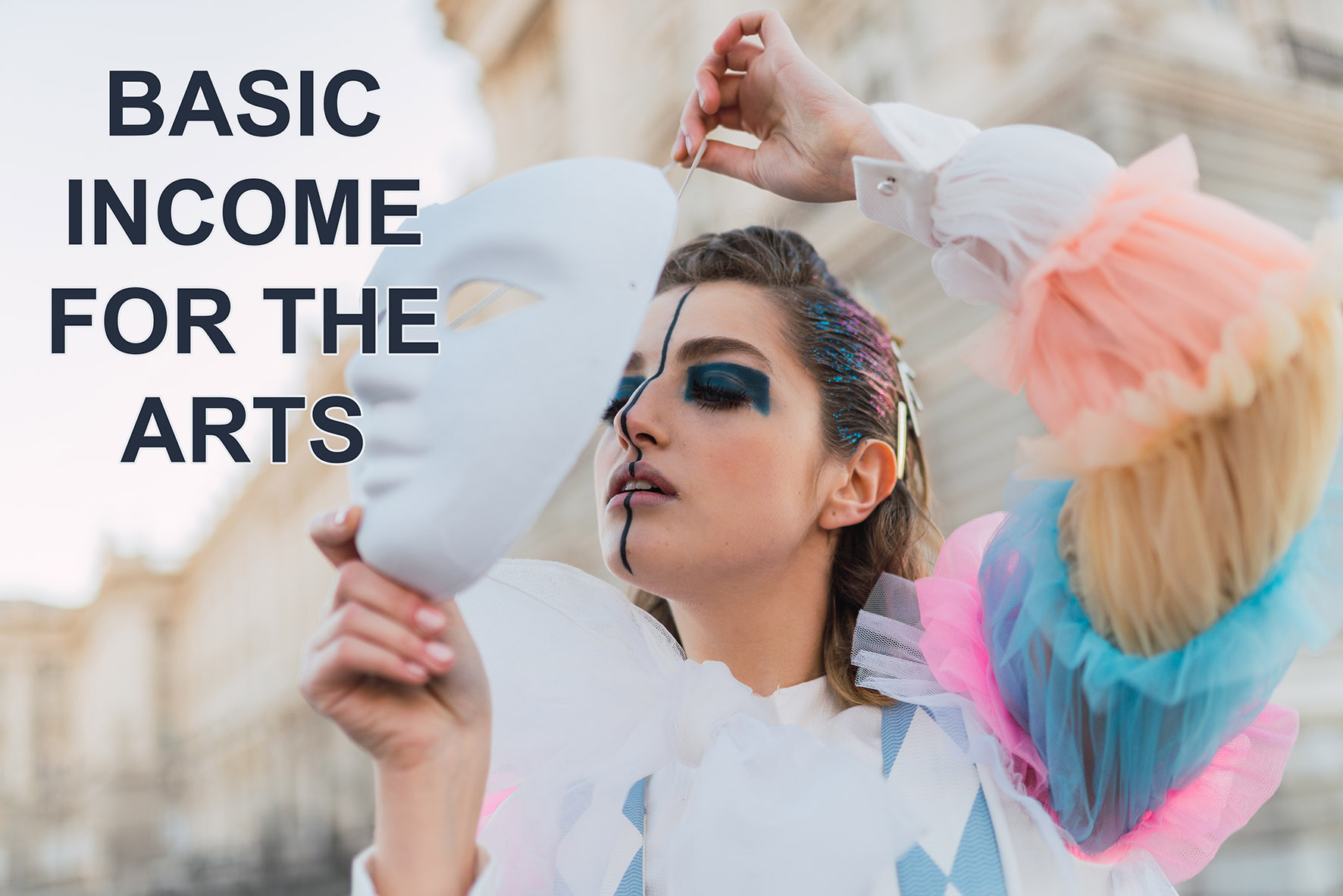
The Irish Government introduced a flagship programme in 2022 entitled Basic Income for the Arts (BIA) aimed at offering income-support to practising artists and creative arts workers. Under the pilot:
-
Selected recipients receive a payment of €325 per week.
-
The pilot covers about 2,000 artists/creative workers.
-
The pilot launched in 2022 and was extended through early 2026.
-
In the 2026 Budget the Government committed to a successor scheme, making it permanent from 2026.
The payment is unconditional (i.e., recipients are not required to deliver a specific milestone or project outcome) and is designed to provide stability so that creative practitioners can focus on their work.
How we got here (context & role of EIAI)
The impetus for this scheme stems from recognition of the particular precarity of the creative sector (including arts, culture, live performance), which was starkly exposed during the pandemic when events, venues and cultural activity were shut down.
The Arts and Culture Recovery Taskforce (of which EIAI was a member) recommended mechanisms to support artists and creative workers with secure income, alongside longer-term structural reform. EIAI’s contribution helped to advance the inclusion of a targeted basic income model as part of the national recovery strategy for arts & culture.
In that sense, the scheme reflects the successful lobbying and policy-design work that EIAI engaged in: bridging event-industry insight (including live performance, festivals, event production) with cultural funding policy and government arts strategy.
Key benefits and early findings
-
Recipients report reduced financial pressure and greater capacity to focus on creative practice rather than surviving from gig to gig.
-
The evaluation (by government/independent bodies) suggests positive effects on well-being, retention in the sector, and enhanced creative output.
-
There is emerging evidence of social return on investment: for example, the pilot evaluation showed that each euro invested returned more than one euro in societal benefit through increased cultural participation, taxes, and reduced welfare burdens.
What this means for the Event Industry in Ireland
As EIAI represents interests in the event industry (live music, festivals, theatre, venues, production), the introduction of a stable income for artists/creative workers has several implications and opportunities:
Opportunities:
-
Improved pipeline of creative talent: Artists who feel financially supported are more likely to invest in ambitious projects, experiment, collaborate. This positively feeds into the live event ecosystem (performances, festivals, new formats).
-
Stronger professionalisation: With a measure of income stability, artists and creative workers can engage more with planning, development, rehearsal, production, which are vital for high-quality events.
-
Increased event content: As creativity flourishes, events may benefit from more original work, new commissions, interdisciplinary formats (which EIAI can help promote).
-
Resilience of sector: The event industry often relies on freelance artists/creatives. Supporting them indirectly supports the supply chain (production crews, technical staff, venues) by maintaining the ecosystem.
Considerations & caveats:
-
Eligibility vs sector fork-in: The scheme covers “artists and creative arts workers”, it does not automatically cover roles in the event sector (e.g., technical production crew, venue staff, event operations) unless they also identify as creative practitioners.
-
Scale & capacity: With only ~2,000 recipients initially, many creatives in the event sector do not qualify.
-
Sustainability & budgetary certainty: The scheme is only now being made permanent. The EIAI will monitor how the funding is secured, its criteria, and how it evolves — and advocate accordingly for our industry.
-
Interaction with other supports: Artists receiving BIA will still require project funding, co-production, touring support, venue access. The event ecosystem must integrate this income scheme into the broader funding landscape (e.g., into festival budgets, production funding, artist fees frameworks).
What next for EIAI & the event sector
Given EIAI’s role in the Taskforce, and our strategic interest in event industry reform, the following strategic actions are being considered:
-
- Advocate for alignment: Ensure that event-funding bodies, festival organisers and venues recognise the scheme and adjust their commissioning/contracts so that artists on the BIA are included and not disadvantaged (for example, not counted as “already funded” or excluded from project grants because of it).
- Monitor and evaluate the scheme’s impact on the event industry specifically: e.g., Are more artists able to commit to live performance? Are festivals programming more original work? Are production companies seeing effects?
- Lobby for extension of coverage: Working with government, arts agencies and event-industry stakeholders to widen eligibility (for creative workers in live events, technical roles) and/or develop complementary schemes for event-industry roles not covered by “artist” status.
- Integrate with wider event reform agenda: The BIA scheme sits alongside EIAI’s existing lobbying priorities (white paper, modernised codes, digital permitting). Using this scheme as a case study we aim to demonstrate how policy can support the creative-event ecosystem, emphasising standardised processes, professionalisation, accreditation (e.g., for event creatives).
- Public-sector communications: Work with the arts and culture agencies, and event industry bodies to promote the scheme publically, highlighting its role in strengthening Ireland’s live event sector, cultural economy and international competitiveness.
Key facts for quick reference
-
Payment: €325/week for participants.
-
Number of participants: ~ 2,000 for the pilot.
-
Eligible groups: Practising artists, creative arts workers, recently‐trained creatives.
-
Status: Pilot from 2022, extended to Feb 2026; permanent successor scheme to commence 2026.
-
Early evaluation: Positive on well-being, sector retention, creative output.
Conclusion
The Basic Income for the Arts scheme represents a landmark shift in how the Irish state supports creative labour. For the event industry — which relies heavily on creative practitioners, freelance talent, live performance work and production capacity — the scheme offers a powerful lever for strengthening the pipeline of artists, boosting resilience, and enhancing the quality of live events in Ireland.
At the same time, it is not a panacea: the event industry must integrate this scheme into its broader ecosystem of funding, production, commissioning, and workforce development. For EIAI, this scheme aligns directly with our strategic goals of reforming event-industry structures, professionalising the workforce, and ensuring that policy supports a thriving live events ecosystem in Ireland.
Further reading: