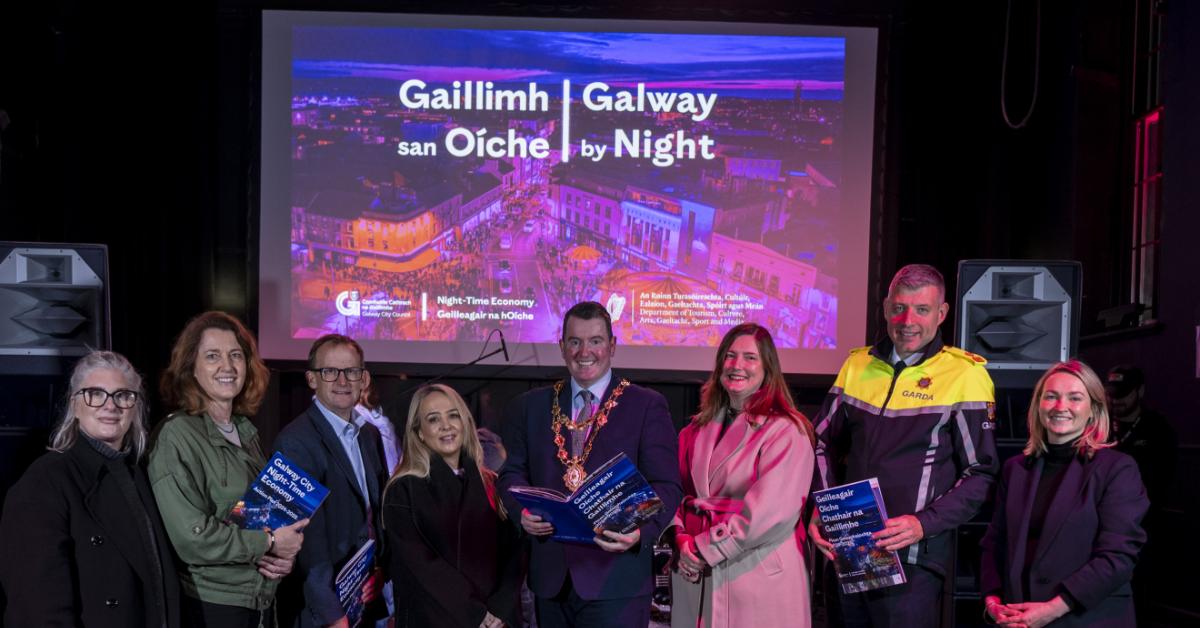
Galway City Council’s new call for Expressions of Interest for unused or underused business spaces is a genuinely positive and forward-thinking development for Ireland’s events industry. At its core, the initiative recognises something the industry has known for years: great events do not always need traditional venues. Some of the most engaging cultural, community and commercial experiences happen in spaces people pass every day but rarely imagine as event environments. By encouraging businesses to explore how their spaces could be activated between 6pm and 2am, Galway is opening the door to a more creative, flexible and economically vibrant model for city activation.
Why This Matters
Ireland’s events industry has evolved significantly in recent years. Audiences increasingly want experiences that feel unique, local, immersive and connected to place. At the same time, many businesses have:
- vacant upper floors,
- unused function rooms,
- empty retail units,
- underutilised courtyards,
- warehouse areas,
- cafés closed in the evening,
- offices vacant after business hours,
- hospitality spaces operating below capacity at certain times.
Rather than leaving these spaces dormant, this initiative explores how they can become part of Galway’s wider cultural and night-time ecosystem. Importantly, this is not simply about entertainment. It is about:
- economic activation,
- supporting artists and creatives,
- increasing footfall,
- extending dwell time,
- encouraging safer and more vibrant city centres,
- creating opportunities for collaboration between businesses and event organisers.
It also reflects a broader international trend where cities are rethinking how urban spaces are used after traditional business hours.
The Types of Events and Activations That Could Work
One of the strongest aspects of this initiative is its flexibility. Different spaces can support very different styles of events and activations.
Examples include:
Cultural & Creative Events
- Acoustic music sessions
- Spoken word nights
- Comedy evenings
- Theatre pop-ups
- Art exhibitions
- Photography showcases
- Dance performances
- Cultural festivals
- Literary events
- Film screenings
Community & Social Activations
- Community meet-ups
- Youth arts programmes
- Language exchanges
- Wellness evenings
- Creative workshops
- Makers markets
- Charity events
- Social inclusion programmes
- Networking events
Business & Innovation Events
- Product launches
- Brand activations
- Innovation showcases
- Industry talks
- Startup events
- Professional networking
- Training workshops
- Live podcast recordings
- Creator economy events
Food & Hospitality Experiences
- Chef collaborations
- Pop-up dining
- Food tastings
- Night markets
- Craft beverage experiences
- Cultural food events
- Interactive dining concepts
Experiential & Immersive Activations
- Projection mapping
- Interactive digital installations
- Gaming events
- Esports viewing nights
- Fashion activations
- Seasonal experiences
- Multi-sensory experiences
- Heritage storytelling events
The Opportunity for Businesses
For businesses, the benefits can extend far beyond simply renting out a room.
Well-managed activations can:
- increase brand visibility,
- attract new audiences,
- create additional revenue streams,
- improve customer engagement,
- strengthen community connections,
- support corporate social responsibility objectives,
- reposition dormant spaces as active assets.
A café that closes at 5pm could become a spoken-word venue at 7pm.
A retail unit could host an exhibition or independent designer showcase.
An office lobby could become an evening networking or innovation hub.
A hotel courtyard could support acoustic performances or cultural programming.
This type of flexible thinking is increasingly common in successful international city models.
The Importance of Proper Planning
While the opportunities are exciting, successful activation also requires professional planning and risk management.
Key considerations include:
- capacity management,
- licensing requirements,
- noise management,
- fire safety,
- accessibility,
- insurance,
- crowd management,
- emergency planning,
- local resident considerations,
- transport and dispersal planning.
This is where experienced event professionals play a critical role. Good activation is not simply about putting people into a space — it is about creating safe, well-managed, commercially viable and positive experiences for everyone involved.
A Positive Direction for Ireland’s Events Industry
Initiatives like this demonstrate growing recognition of the value the events industry brings to economic development, tourism, culture and community life. They also show how local authorities can work collaboratively with businesses, creatives and organisers to unlock new opportunities within existing urban infrastructure. If successful, Galway’s model could become an important case study for other towns and cities across Ireland looking to strengthen their night-time economy while supporting culture, creativity and community engagement. For the events industry, it represents exactly the kind of innovative, place-based thinking that can help cities become more vibrant, sustainable and connected after dark.
Further Information:
Survey Link: https://lnkd.in/eKY9F5Yp
The information gathered will inform the development of a future pilot programme under the Night-Time Economy initiative.
Important to note:
Submitting an Expression of Interest does not commit businesses to hosting activity — it simply signals an openness to explore opportunities as part of a structured, well-supported approach
Any queries please contact: Kate Howard, Galway City Night-Time Economy Advisor at Kate.Howard@GalwayCity.ie